I grew up all over the place Fort Irwin, Barstow, Helendale, Victorville, and Apple Valley in California, then Centennial, Aurora, and finally Commerce City in Colorado. I changed schools constantly: multiple elementary schools, multiple middle schools, and four different high schools.
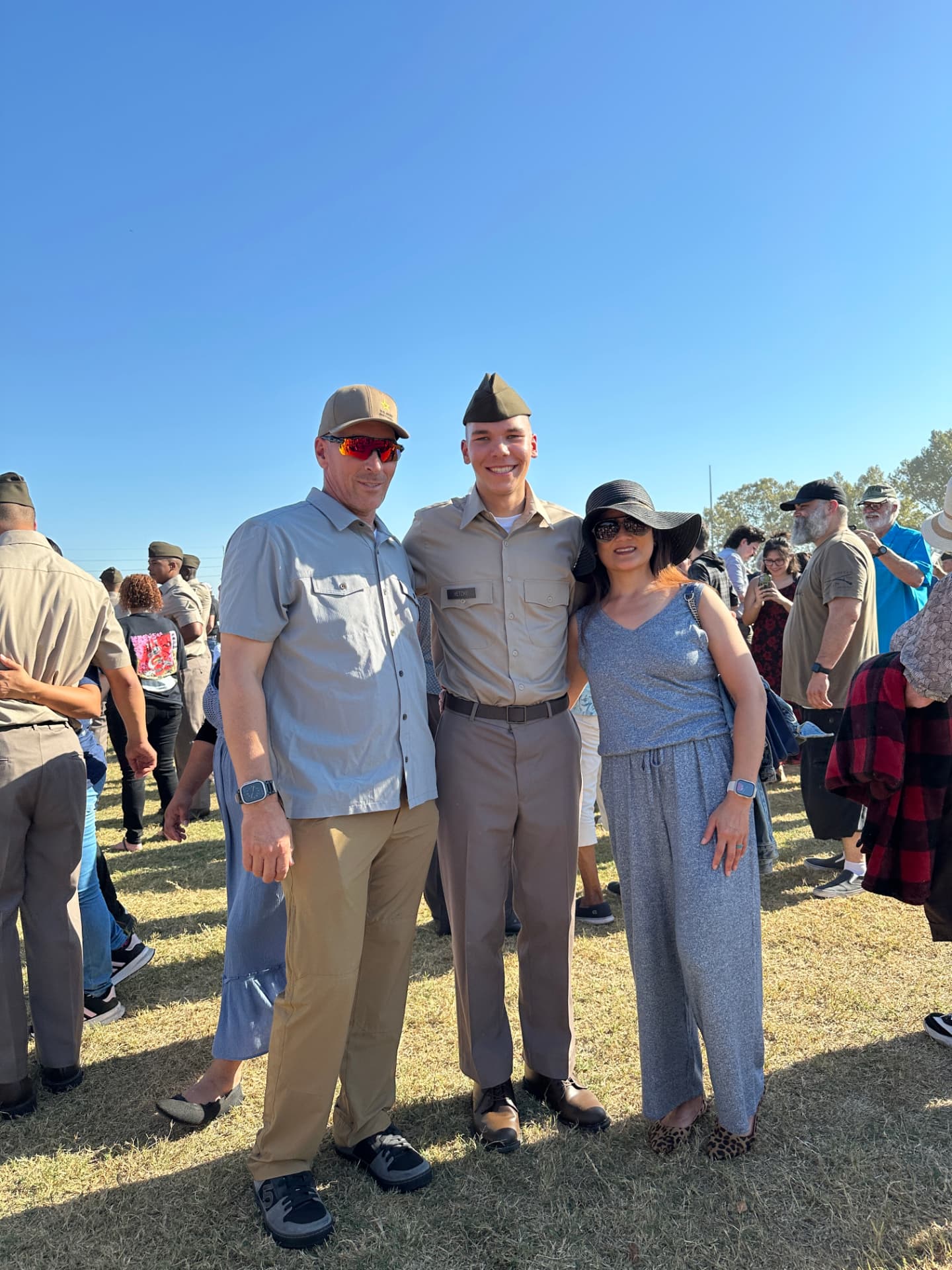
With my dad and step mom at my Army graduation
Chapter 02
Discipline in uniform
After high school I joined the Army National Guard as a 13R Radar Operator. Radar work is about watching patterns, trusting your equipment, and reporting what you see with precision. Around the same time I got back to Colorado I started working as a Wheelchair Assistant Supervisor for Prospect then I finally got a job as a fueler at Denver International Airport with united, where safety procedures, situational awareness, and showing up ready matter every single shift. Both jobs reinforced the same habit pay attention, follow the process, and document it.
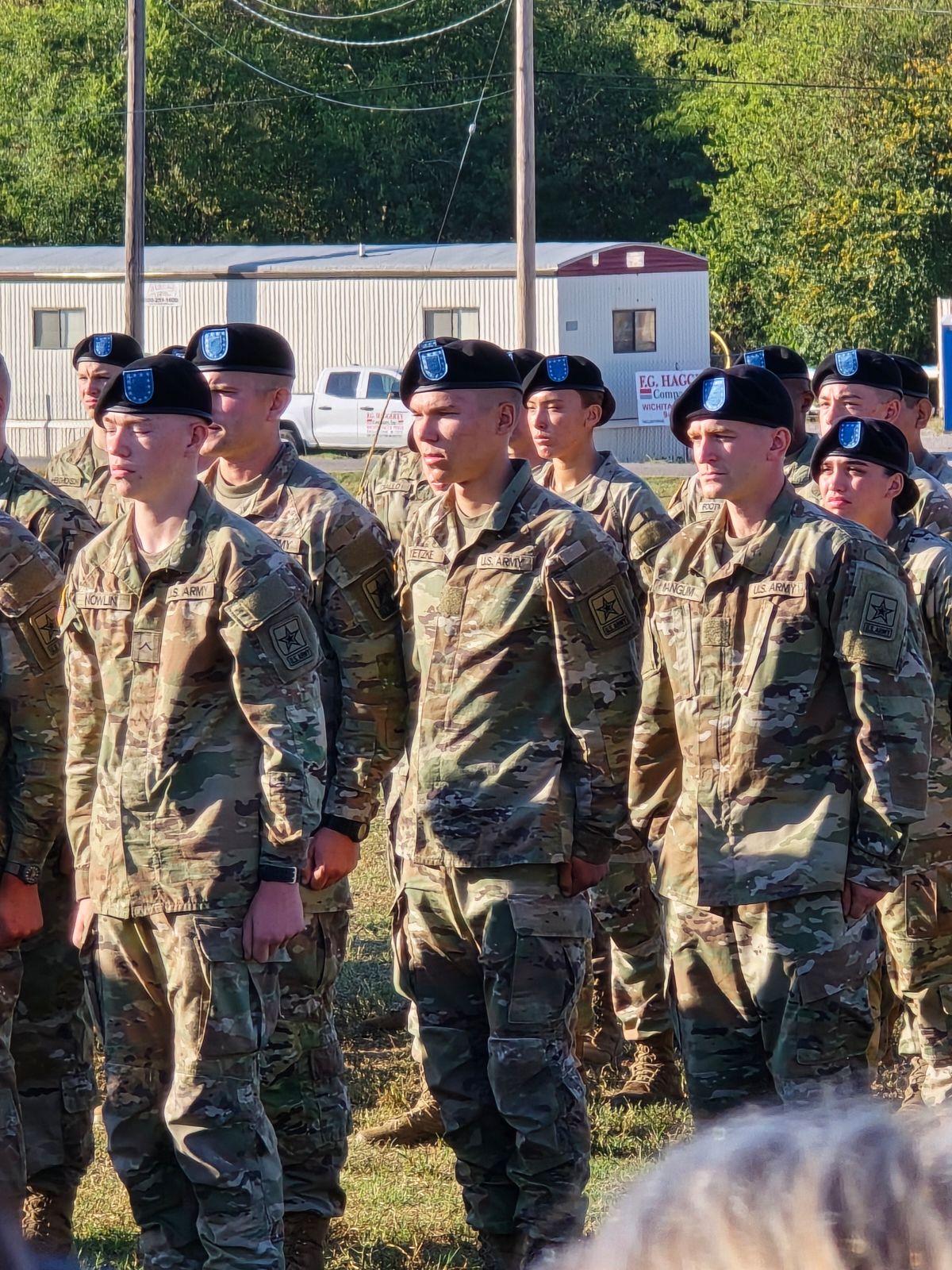
Standing in formation with my basic training unit
Chapter 03
A moment for service
Service has always been part of my family. My dad served in the Army for 16 years, and after my brother joined the Air Force, I chose to join the Army as well. Serving gave me a stronger sense of responsibility, discipline, and purpose. It showed me that protecting others is not only about responding when something goes wrong—it is also about being prepared, dependable, and committed to something bigger than yourself.
Chapter 04
From radar screens to network defense
The same instincts that make a good radar operator pattern recognition, calm under pressure, clear communication are the ones that matter in cybersecurity. I want to take that operational mindset into federal cyber defense with the FBI. Protecting networks at that level means technical skill, legal discipline, and the judgment to act responsibly when the stakes are high.
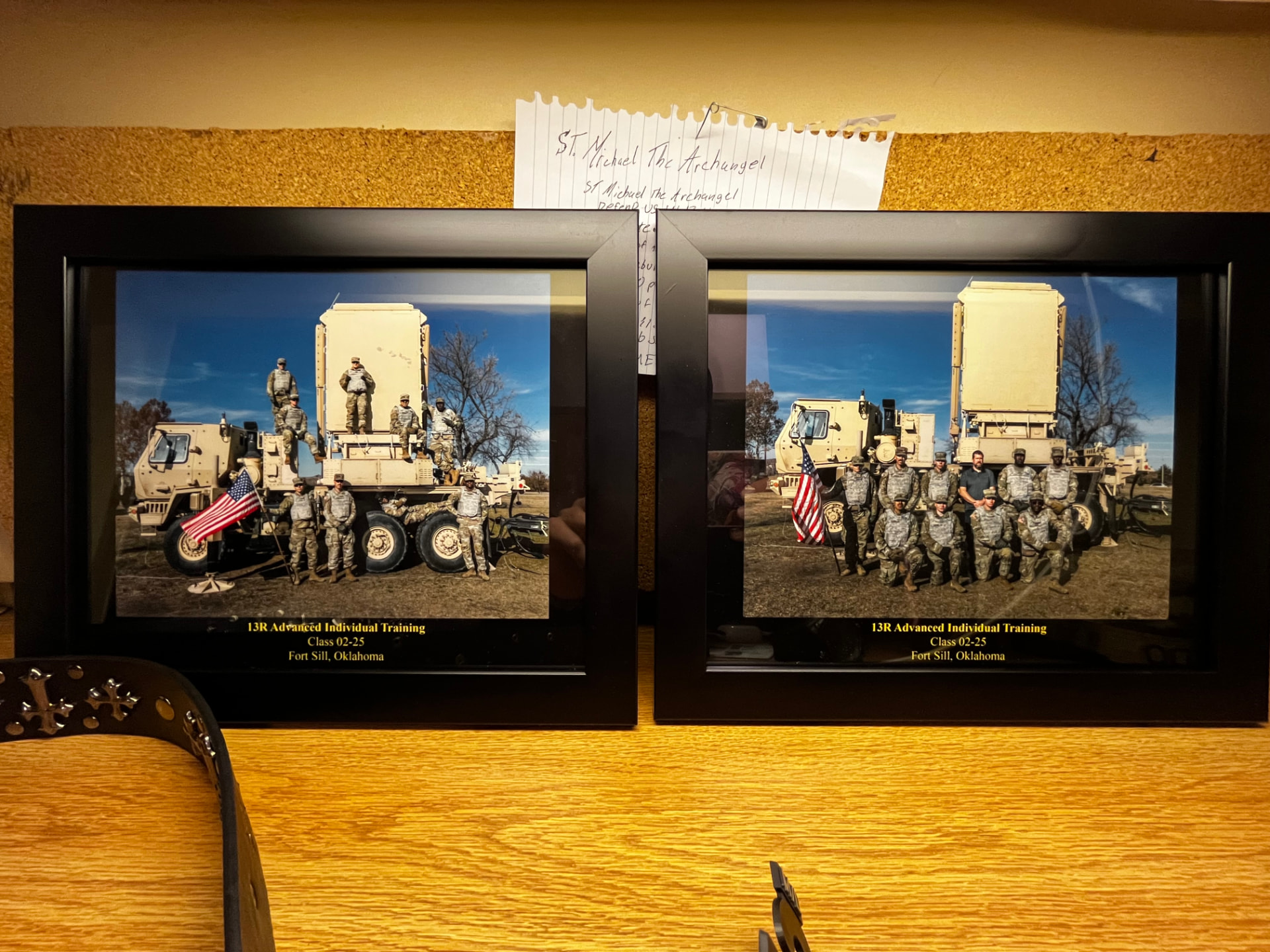
13R Advanced Individual Training class photos, Fort Sill, Oklahoma
Chapter 05
The road ahead
I am building the technical foundation now: networking, operating systems, scripting, and the careful documentation habits that turn a hunch into evidence. The next steps are certifications, hands-on competitions and internships, and a record of clean, ethical work. Every move I have made so far across states, schools, military drills, and airport shifts has prepared me to keep learning under pressure.
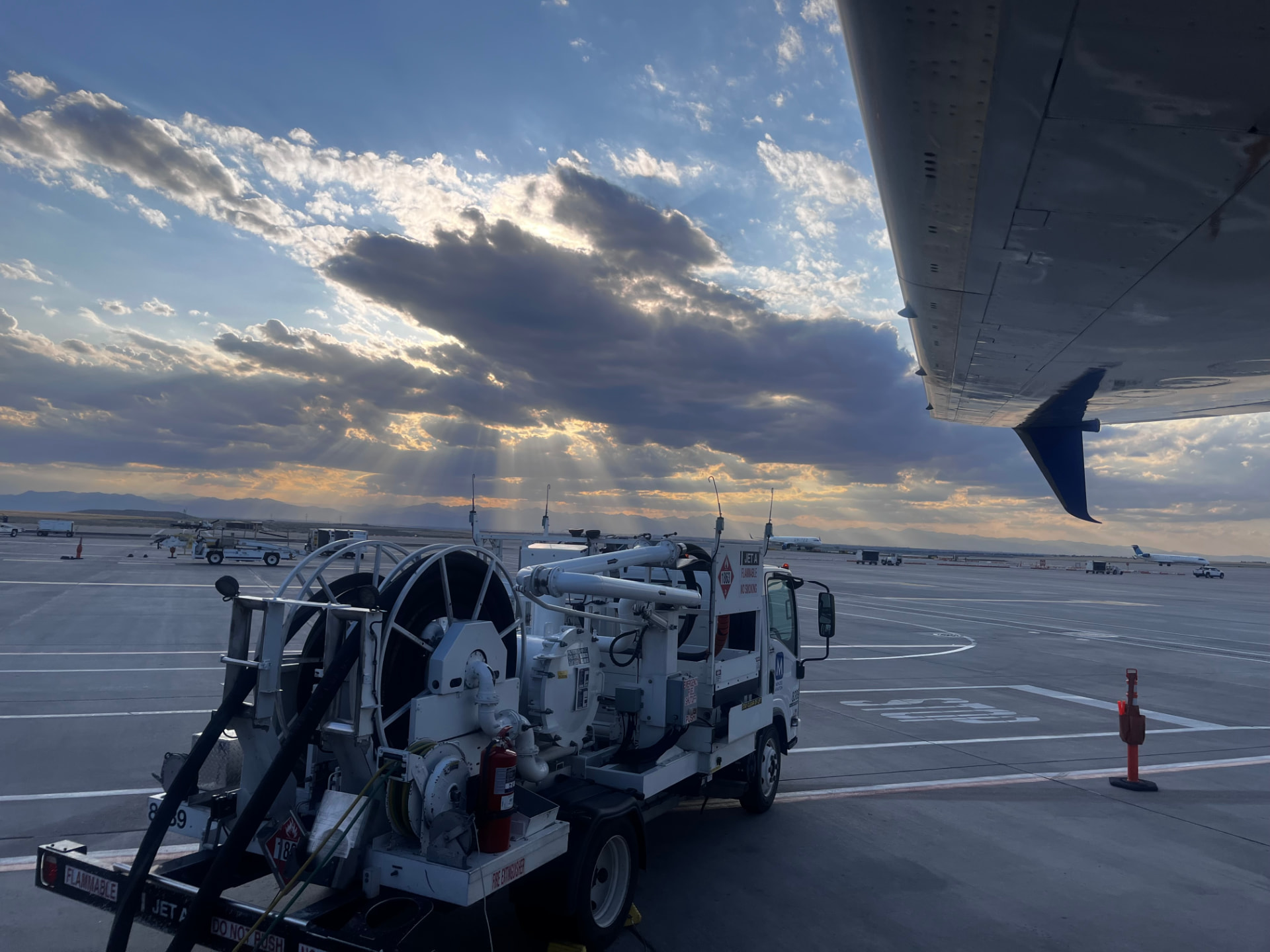
Jet fuel truck on the ramp at Denver International Airport at sunrise
Chapter 06
A moment for computers
My interest in computers began with my dad. He has always been very computer-savvy, and I remember watching him build a custom computer case out of scrap wood. I thought it looked incredible. I would ask how he built it and whether I could build one too, and he would tell me, “Maybe when you’re a bit older.” That curiosity stayed with me and grew into a genuine interest in understanding how computers work.
Chapter 07
A moment for security
My passion for cybersecurity became more personal when I learned that about one in seven adults have experienced sexual extortion. I have had friends deal with situations like this, and I saw how scared they were to talk to someone or ask for help. It is a frightening experience, and I want to become someone people can turn to when their personal information, privacy, or safety is at risk.
Chapter 08
Why the FBI matters to me
The FBI matters to me because so many people experience stolen information, blackmail, and other forms of cybercrime. I have also experienced having my information used without my consent, so I understand how violating and stressful it can feel. I want to build the skills to help protect people, investigate cybercrime, and give victims someone they can trust when they need support.
Skills I'm building
Networking
TCP/IP, subnetting, routing, and traffic analysis fundamentals.
Operating Systems
Windows and Linux administration, file systems, permissions, and command-line workflows.
Scripting
Bash and Python automation for logs, parsing, and repeatable security tasks.
What I'm building toward
Network Defense
Traffic analysis, intrusion detection, and hardening fundamentals.
Digital Forensics
Evidence handling, chain of custody, and clear reporting.
Operational Awareness
Situational discipline carried over from military radar and airport operations.
Ethics & Law
Understanding the rules that make security work legitimate.